Blog Articles

Radix Recovery in Cedar Rapids, Iowa, provides comprehensive addiction and dual diagnosis treatment with detox, inpatient, and outpatient levels of care. We are building a community where all who want change are welcome with outpatient opening February 2025, and inpatient in June 2025.

Getting through opioid detox is a massive achievement, but the real work of recovery starts afterward. You might feel relieved that some of the pressing withdrawal symptoms have passed, yet also vulnerable and uncertain about what comes next.
The American Psychiatric Association definitively classifies addiction as a mental disorder in their Diagnostic and Statistical Manual (DSM-5), listing nine types of substance addictions
A proper detox treatment allows your system to recalibrate safely under medical supervision at a care facility. Without this crucial step, withdrawal symptoms can become overwhelming, driving you back to substance use within days.
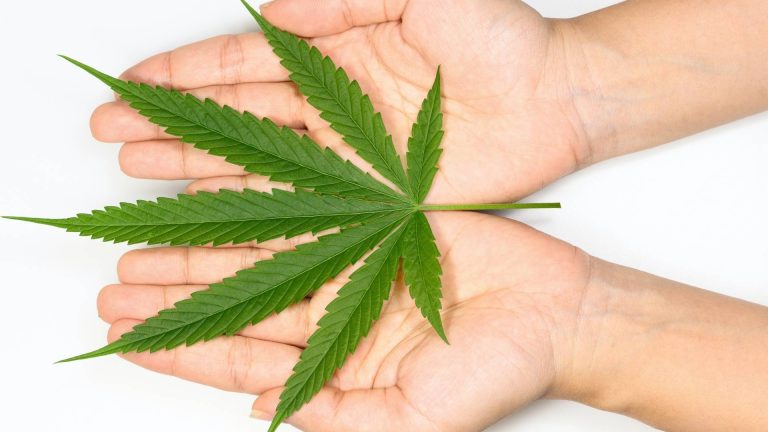
Cannabis withdrawal presents real physical and psychological symptoms, though often dismissed by users. Peak symptoms occur 2-6 days after stopping, including intense cannabis cravings, mood swings, insomnia, decreased appetite, and restlessness.
When you use cannabis regularly, your brain adapts to the presence of THC by adjusting its natural chemical balance. Managing withdrawal is a legitimate medical concern, since it is during this period that the prospect of relapse becomes the most critical and addiction becomes hard to escape.
What makes weed or marijuana particularly tricky is the perception that it’s harmless. People often don’t recognize they’re developing a problem until they try to quit and can’t. You might rationalize continued use because weed doesn’t cause the dramatic consequences associated with other substances.
Whether you are considering inpatient drug treatment programs for alcohol, opioids, or other substances, this roadmap shows you exactly what to expect during your stay at live-in rehab centers.
Every treatment center has specific rules about what to bring to on-site detox, and these policies exist for important safety reasons. Facilities need to create an environment free from substances and triggers that could compromise your recovery.
These kinds of myths about medical detox may stop someone from seeking out necessary treatment that is necessary improve their outcomes.
Opioid withdrawal syndrome occurs when your body reacts to the sudden absence of opioids after developing physical dependence.
Heroin detox represents the initial phase where your body eliminates harmful substances while adjusting to functioning without opioids. During this medically-assisted detox, you’ll experience various physical detox symptoms and psychological aspects that trained medical professionals help you navigate.
Intentional polysubstance use happens when you deliberately combine drugs to enhance effects or counteract unwanted symptoms. Unintentional polysubstance patterns develop more subtly over time.
Starting medical-assisted detox begins with a comprehensive assessment where medical professionals review your substance use history, medical history, mental health, and any previous attempts at getting clean.
Both inpatient and outpatient treatment programs share core components designed to address addiction from multiple angles. Understanding what therapy and support you can expect helps set realistic expectations.
Withdrawal from codeine follows a predictable pattern, though the intensity varies based on duration of use, typical dose, and individual factors. As a fast-acting opioid when taken orally, codeine clears your system quickly compared to other opioids.
The confusion from hydrocodone vs. codeine often comes from the fact that both are opioid drugs that doctors prescribe for moderate to moderately severe pain. You might have been switched from one to the other, or you might have seen both names on different prescriptions.
Medical codeine use means taking prescribed doses at specified intervals for legitimate conditions and stopping when the illness resolves. The line blurs quickly when you take it preventatively or notice preoccupation with medication supply, checking doses left, or seeking multiple refills.
This guide explains how long codeine stays in your system by test type (urine, saliva, blood, and hair), what factors affect the timeline, why lab cutoffs and false positives matter, and how withdrawal fits into the picture. We’ll also show you how medication-assisted treatment can reduce risk, where to get medical supervision, and how to spot a possible codeine overdose early.