Blog Articles

Radix Recovery in Cedar Rapids, Iowa, provides comprehensive addiction and dual diagnosis treatment with detox, inpatient, and outpatient levels of care. We are building a community where all who want change are welcome with outpatient opening February 2025, and inpatient in June 2025.
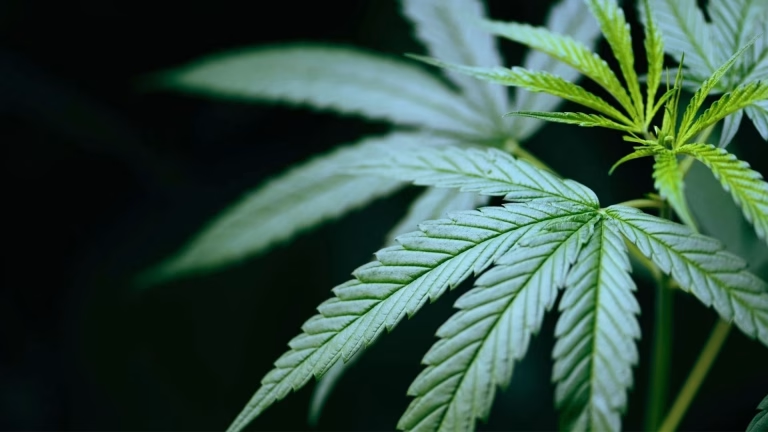

When you use marijuana, THC enters your bloodstream and latches onto cannabinoid receptors throughout your brain and body. In normal doses, this creates the typical high. But flood those receptors with too much THC, and your system goes haywire.
Sleepiness alone isn’t always dangerous, but if it’s overwhelming or comes with other signs, it’s worth discussing with your healthcare professional.
Is marijuana addictive? This question has become increasingly important as legalization expands across the United States. While cannabis is often perceived as harmless, research shows that regular marijuana use can lead to cannabis use disorder
When most people think about opioid addiction, they picture obvious behaviors like stealing medication or severe withdrawal. But opioid use disorder symptoms often start subtly, hiding behind what looks like normal life.
Finishing drug rehab marks a major milestone, but it’s just the beginning of your recovery journey. An opioid addiction aftercare plan serves as your personalized roadmap for navigating life after treatment centers, helping you maintain sobriety and rebuild your life from the root up.
Both approaches offer proven pathways to recovery from opioid use disorder, but they differ significantly in structure, intensity, and daily commitment.
For many, especially with severe cases of OUD, medical detox offers a safer, more comfortable alternative to suddenly stopping taking opioids on your own.
While unlike withdrawal from alcohol or benzodiazepines, opioid withdrawal isn’t typically life-threatening in healthy adults, medical oversight prevents complications and significantly improves comfort. Overdose also becomes more likely with relapse, making it a dangerous and critical time.
Quitting Xanax after extended use isn’t as simple as just stopping the medication. Xanax withdrawal symptoms can range from uncomfortable to potentially dangerous, making medical supervision essential for safety.
Xanax (alprazolam), a commonly prescribed benzodiazepine approved by the FDA, offers immediate relief for millions struggling with panic attacks and anxiety disorders. However, long-term Xanax effects extend far beyond temporary symptom management, potentially leading to significant changes in your brain function, physical health, and family dynamics.
Medication-assisted treatment (MAT) for opioid use disorder (OUD) combines FDA-approved medications with counseling and behavioral therapy to treat opioid dependence comprehensively.
Are you struggling with a growing need to continue using your pills? Knowing the warning signs of Xanax addiction early can be critical to avoid falling down the road to dependence.
Xanax is highly addictive and can lead to physical dependence within just 2-4 weeks of regular use. Treatment combining medical detox, therapy sessions, and ongoing support offers the best recovery outcomes.
Recognizing the warning signs of morphine addiction can save your life and the lives of those you care about. Whether you’re concerned about yourself or a loved one, knowing the physical, behavioral, and mental symptoms of opioid use disorder is the first tangible step toward recovery.
Chronic morphine use fundamentally rewires your brain’s reward circuitry and opioid receptors. Your brain develops tolerance, requiring too much morphine to achieve the same pain relief or high, pushing you toward dangerous doses where opioid overdose can occur.
The way morphine works explains why it’s so effective, but this is also the same reason why morphine is addictive. It becomes too powerful for its own good. Your brain quickly learns to associate the drug with pleasure and pain relief, creating powerful memories that drive continued use.
Inpatient treatment for alcoholism provides 24-hour supervised care in a residential treatment center. Unlike outpatient treatment, you live at the facility, receiving round-the-clock care from medical professionals and addiction specialists.
Opioid use disorder doesn’t just happen overnight. There are gradual signs that you or a loved one will experience that you can watch out for as OUD progresses.