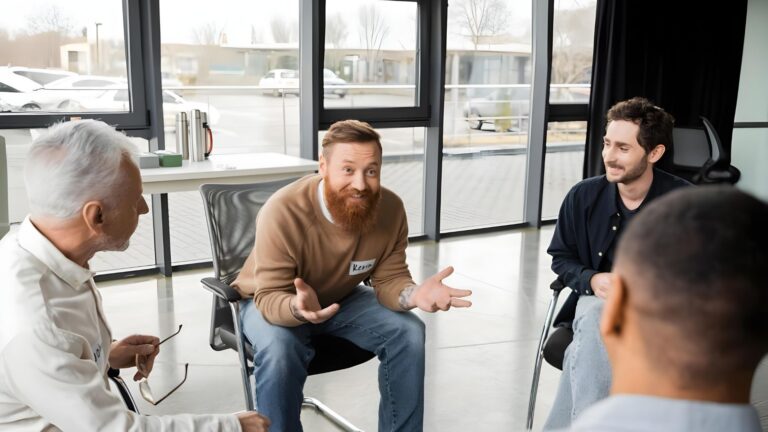
Intensive Outpatient Programs (IOPs) are a vital part of substance abuse treatment, offering structured care while allowing individuals to maintain daily responsibilities. Group therapy is central to drug rehab, providing a safe space where clients learn, share, and practice recovery skills.
This article explores the key IOP topics, explaining what clients experience in therapy sessions and how these activities support addiction recovery.

The Role of Group Therapy in IOP
Group therapy forms the foundation of the IOP because it gives members the chance to connect through shared experiences and learn from one another. Unlike individual therapy, these sessions offer a structured setting where clients can practice interpersonal skills and strengthen coping strategies that support recovery.
A group leader, often a therapist, guides each session to keep discussions focused and meaningful. Through these collaborative interactions, participants learn to challenge negative thoughts and build resilience against relapse, all within the supportive framework of an intensive outpatient program.
Key Topics Addressed in Substance Abuse Group Therapy
IOP group therapy sessions cover a broad range of discussion topics designed to address the challenges of substance use disorder.
These therapy groups provide a safe environment where clients share their thoughts and feelings, allowing members to practice new skills while gaining insights from peers and staff members. The range of topics helps clients make informed decisions and break free from bad habits tied to substance use.
Learning Coping Skills and Strategies
One of the most valuable parts of IOP is learning coping strategies that help individuals manage the risk of relapse. Group therapy activities include anger and stress management, also self-care practices that help participants handle life’s pressures without turning back to using drugs or alcohol.
Participants learn how to replace negative thinking with healthier perspectives and adopt daily activities that support long-term sobriety. Members can practice these strategies in real-time, making therapy sessions both practical and impactful.
Mindfulness and Emotional Awareness
Individuals are encouraged to focus on the present moment, reducing the power of negative thoughts and emotions. Practicing mindfulness in sessions allows individuals in recovery to notice how their bodies and minds respond to stress while learning healthier ways to manage triggers.
Therapists may guide meditation, breathing practices, or reflective journaling to reinforce these lessons. Sessions may also introduce grounding techniques, visualization, or gratitude practices, giving clients practical examples they can carry into daily life in a natural and sustainable way.

Building Healthy Relationships Through Group Therapy
Substance abuse often damages relationships, making healthy relationship skills a core focus of IOP. Group members practice interpersonal communication, learn to express themselves constructively, and rebuild trust with both peers and family members. Therapy sessions emphasize empathy, accountability, and conflict resolution, all of which contribute to stronger, more supportive relationships.
In some activities, participants role-play common conflicts or practice setting healthy boundaries, providing hands-on opportunities to apply what they learn. For many, these experiences mirror real-world interactions, allowing them to practice healthier ways of relating to others in a safe space and gradually carry these skills into daily life outside the program.
Support, Structure, and Long-Term Recovery
IOP provides structured therapy treatment where support groups encourage accountability and growth. Individuals learn to identify the risk of relapse and use strategies to maintain progress. Discussion topics may also cover grief, such as the death of a loved one, or other challenges that test resilience.
With the guidance of therapists and the encouragement of peers, participants learn new skills, develop healthy routines, and create a foundation for successful recovery. Sessions often include practical skills such as time management, creating structured daily schedules, and planning long-term goals.
Some programs may also integrate vocational planning or educational support, ensuring clients leave with tools that extend the benefits of treatment into everyday life and prepare them for responsibilities beyond recovery.
Final Thoughts from Radix Recovery
IOP group therapy is more than a structured discussion. It is a dynamic process where clients learn coping strategies, practice mindfulness, and strengthen interpersonal skills. These activities and topics help participants build resilience, develop healthy habits, and prepare for a successful recovery journey.
At Radix Recovery, our intensive outpatient treatment program in Cedar Rapids, Iowa, provides a safe space where clients share experiences, practice new skills, and receive guidance from therapists and peers. With a focus on addressing addiction through group therapy and related health services, we help individuals in recovery move toward stability, balance, and long-term healing.