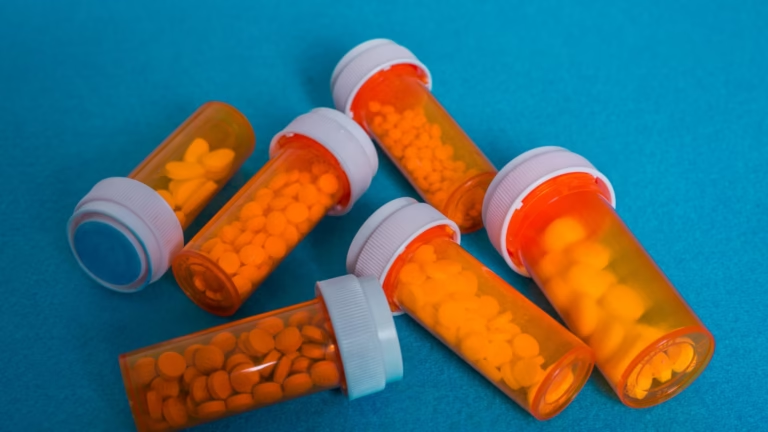
Ativan, also known by its generic name lorazepam, is a prescription medication commonly used to manage anxiety, insomnia, and certain seizure conditions. While it can be highly effective when taken as directed, the risk of interactions with other drugs can lead to dangerous side effects.
Understanding what drugs to avoid when you take Ativan may help prevent possible interactions and ensure the medication is safe for you to take.

Why Drug Interactions With Ativan Matter
Ativan works by calming the central nervous system. When you take it along with other substances that affect the brain or body, the risk of interactions and effects of lorazepam increases. These interactions may lead to slowed breathing, extreme drowsiness, or serious side effects that can be life-threatening.
Knowing the possible interactions, you can take Ativan safely and avoid complications. However, misuse or mixing it with other substances can quickly create a pattern of dependence. What begins as a way to manage anxiety or sleep may gradually lead to misuse, and over time, many individuals find themselves struggling with addiction.
This connection shows why safe use and awareness are essential—and why seeking professional support, including specialized treatment for Ativan addiction, can be an important step for those who develop dependency.
Alcohol and Ativan
One of the most dangerous combinations is Ativan and alcohol. When you drink alcohol while taking lorazepam, both substances depress the central nervous system. This can lead to confusion, dizziness, impaired memory, or in severe cases, respiratory failure. Even small amounts of alcohol can increase the risk of interactions and side effects.
Mixing these two can also interfere with treatment for alcohol withdrawal. Because lorazepam can also cause dependence, combining it with drinking habits may complicate recovery. If you are prescribed the medication, avoid alcohol and speak with your provider about possible interactions.
Opioids and Sedative Medications
Ativan interactions with opioids such as oxycodone, hydrocodone, fentanyl, or morphine are especially dangerous. These drugs depress the central nervous system in similar ways, and when combined, they drastically increase the risk of overdose, extreme sedation, and slowed breathing.
Other sedatives—such as barbiturates, prescription sleep aids (zolpidem, eszopiclone), or muscle relaxants (cyclobenzaprine, carisoprodol)—can interact with Ativan by magnifying its sedative effects. Even common antihistamines like diphenhydramine (Benadryl) can cause extreme drowsiness when taken with lorazepam. The Food and Drug Administration has issued strong warnings about combining these drugs, as the consequences can be life-threatening.
Antidepressants and Antipsychotics
Certain psychiatric medications also create risks when mixed with Ativan. For example, antidepressants such as SSRIs (fluoxetine, sertraline) or SNRIs (venlafaxine, duloxetine) can intensify sedation and affect coordination. Tricyclic antidepressants (amitriptyline, nortriptyline) carry a higher risk of dizziness and confusion when combined with lorazepam.
Antipsychotic medications like risperidone, quetiapine, or haloperidol may further increase drowsiness, confusion, or low blood pressure when taken with Ativan. These interactions can make daily functioning more difficult and raise the risk of falls or accidents. For anyone prescribed psychiatric medications, it is essential to discuss all prescriptions with a doctor to prevent interactions.

Other Prescription Risks and Health Considerations
Some medications outside of sedatives or psychiatric drugs can also interact with Ativan. Certain antibiotics (such as clarithromycin) and antifungals (like ketoconazole or itraconazole) may interfere with how lorazepam is processed, leading to higher drug levels in the body and stronger side effects.
Blood pressure medications, especially those that lower blood pressure significantly, can interact with lorazepam by worsening dizziness or fainting. Drugs that increase pressure in your eye, such as some glaucoma treatments, may also create harmful effects when combined with Ativan.
It can also pass into breast milk, and lorazepam may cause drowsiness or feeding difficulties in infants. If you stop taking it suddenly, withdrawal symptoms may occur, which can be severe without medical guidance.
Steps to Help Prevent Interactions
To lower the risk of dangerous drug interactions, take Ativan only as directed. Never take more than prescribed and avoid combining lorazepam with alcohol. Keep an updated list of all medications you take and share it with your healthcare provider so they can check for conflicts.
Before starting supplements or over-the-counter products, consult your pharmacist to determine if it is safe to take them. Following these precautions helps ensure the treatment remains safe and effective.
Safe use is also closely tied to recovery. Because it is a benzodiazepine with a high risk of dependence, preventing interactions is not just about safety—it is also about reducing the likelihood of misuse. For people in recovery, maintaining open communication with providers and monitoring all medications plays a crucial role in staying on track and avoiding relapse.
Final Thoughts from Radix Recovery
Ativan can be safe and effective when used correctly, but combining it with certain drugs or substances greatly increases health risks. Always consult your prescribing physician before taking this medication with any other medication or supplement.
At Radix Recovery in Cedar Rapids, our team of addiction specialist understands the complexities of substance use, medication safety, and recovery. We provide support for individuals struggling with addiction to prescription medications, alcohol withdrawal, and other challenges related to drug interactions. By combining medical expertise with compassionate care, we help people make informed decisions about their health and recovery journey.