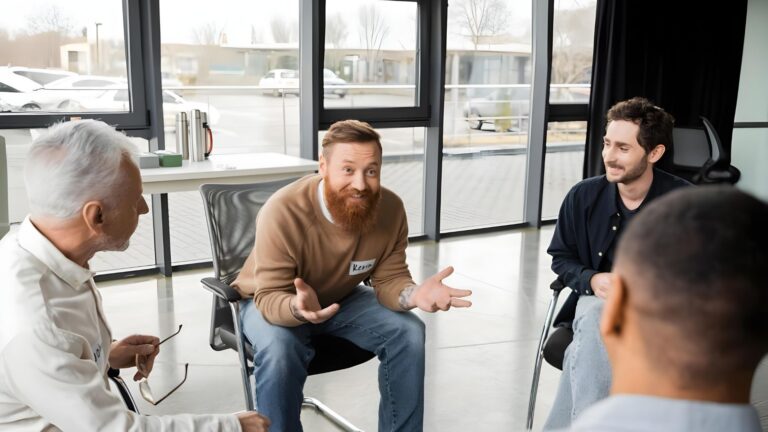
Addiction is often described as a family disease. While one person may be the one struggling with substance use, the ripple effects touch parents, spouses, siblings, and even children. The confusion, stress, and emotional pain that come with addiction can leave families feeling helpless. That’s why family education has become such an important part of addiction treatment.
In this article, we’ll explore what family education actually involves, why it matters so much, and how it can transform both recovery and relationships at home.

What Is Family Education in Addiction Treatment?
Family education is more than just a lecture; it’s a structured part of treatment that gives loved ones a clear understanding of addiction and recovery. These sessions may be led by counselors, therapists, or peer support specialists, and they often cover topics such as:
- The science of addiction – explaining how drugs and alcohol affect the brain and why quitting isn’t just a matter of willpower.
- Healthy communication – learning how to talk about difficult issues without escalating conflict.
- Setting boundaries – knowing the difference between supporting someone and enabling harmful behaviors.
- Relapse warning signs – spotting early red flags and creating a plan for what to do if relapse happens.
- Self-care for the household members – recognizing the emotional toll of addiction and finding support for themselves.
In many treatment centers, family therapy is offered through intensive outpatient programs or group workshops, weekly sessions, or even telehealth meetings. Some programs also integrate evidence-based approaches like Community Reinforcement and Family Training (CRAFT), which equips families with tools to encourage treatment entry and long-term recovery.
Why Household Education Matters
Families Help Loved Ones Stay in Treatment
One of the biggest challenges in addiction recovery is staying engaged with treatment. Research has shown that when the whole brood is involved, people are more likely to stick with their program and attend sessions consistently. Having a loved one cheering you on, or even just understanding what you’re going through, can make the process feel less isolating.
It Lowers the Risk of Relapse
Relapse can feel like a devastating setback, but it is often part of the recovery process. Families who go through education programs learn to identify high-risk situations, triggers, and early warning signs. This means they can step in with support at the right time, helping prevent small slips from turning into full relapses. A healthier home environment also reduces stress, which is one of the leading triggers for substance use.
Communication Gets Better
Addiction can create patterns of secrecy, conflict, and mistrust. Household education works to rebuild communication in a healthier way. Instead of yelling, blaming, or avoiding tough conversations, families learn skills like active listening and setting respectful boundaries. These changes can repair relationships that may have been strained for years.
It Can Encourage Someone to Enter Treatment
Many families feel stuck when a loved one refuses to get help. The old belief that people have to “hit rock bottom” before they’ll accept treatment is not only harmful but also untrue. Approaches like CRAFT show that families can gently encourage treatment entry through positive reinforcement and supportive communication. Studies show this method is more effective than confrontational interventions.
Families Heal, Too
Addiction doesn’t only hurt the person using substances, it impacts everyone in the household. Partners may feel betrayed, parents may feel guilty, and children may feel scared or confused. Family education provides space for loved ones to process their own emotions and recognize that they, too, need healing. Learning coping strategies and accessing support groups assists families become stronger and more resilient.
What Families Learn in These Programs
A big part of these therapies offered in rehabs is shifting perspectives. Instead of viewing addiction as a choice or a character flaw, families begin to understand it as a chronic, treatable condition. This change in mindset reduces stigma and creates space for compassion.
Families also learn practical skills that strengthen recovery and improve relationships. For example, they are taught how to communicate without blame, using supportive language that encourages progress rather than criticism that fuels shame.
They gain relapse prevention strategies, such as recognizing subtle changes in behavior so they can step in early with support. Another important lesson is the power of boundaries—families discover how setting healthy limits can protect both their loved one in recovery and themselves from harmful patterns.
Finally, household members are reminded to care for their own well-being. Through support groups like Al-Anon or personal therapy, they are encouraged to prioritize self-care, ensuring they remain strong and resilient throughout the recovery journey.

When Family Education Helps the Most
While involvement of household members is always valuable, there are certain situations where educating the whole household becomes especially critical. For example, when a loved one has experienced multiple relapses due to certain triggers, families can learn new strategies to break old patterns and offer more effective support. The training is also particularly important for teenagers, since research shows that family-based therapy is one of the most effective approaches for youth struggling with substance use.
In cases where addiction overlaps with mental health disorders, members gain a better understanding of both conditions and how to respond with compassion rather than frustration. When someone is resistant to starting treatment ,domestic education provides tools that can gently encourage them toward recovery. In all of these situations, educating household members brings fresh strategies, hope, and a renewed sense of direction for both the individual and their loved ones.
Common Myths About Family Education
“I’ll make it worse if I get involved.”
Many relatives worry that speaking up or participating in treatment will somehow push their loved one away. In reality, research consistently shows the opposite: household involvement improves engagement, treatment retention, and long-term recovery outcomes. Addiction thrives in secrecy and isolation, so the more informed and supportive the household becomes, the more likely recovery will stick.
Learning how to communicate effectively and set healthy boundaries help families actually create a safer, more encouraging environment that makes treatment more successful, not less.
“They have to hit rock bottom before they’ll change.”
This is one of the most harmful myths in addiction recovery. Waiting for someone to “hit rock bottom” can mean allowing things to spiral into severe health issues, legal trouble, or even life-threatening situations. Training a patient’s loved ones teaches that change can start much earlier, and that families have the power to encourage treatment before the crisis point.
Programs like CRAFT show that with positive reinforcement and compassionate strategies, families can motivate their loved one to enter treatment without waiting for things to get worse.
“Family education is just for parents or spouses.”
Addiction impacts more than just immediate members. Siblings, children, close friends, and relatives often play a huge role in a person’s recovery journey. The training is not limited to parents or spouses. It’s for anyone who wants to understand addiction better and learn how to be a supportive presence. The more people in a loved one’s support network who are educated and prepared, the stronger their chances of long-term recovery.
How Families Can Get Involved
If you’re considering this program, the first step is to ask your treatment provider what options are available. Helpful questions include:
- Do you offer family workshops or therapy sessions?
- Can these be done online for convenience?
- Do you use evidence-based approaches like CRAFT?
- How do you make sure confidentiality is respected?
Many programs welcome the involvement of loved ones from the very first intake session. Some even provide ongoing workshops as part of aftercare, since recovery is a long-term journey.
Final Thoughts from Radix Recovery
Recovery is rarely a solo effort. When families are educated, equipped, and empowered, they become one of the strongest protective factors in a person’s healing journey. Family education not only supports the individual in recovery but also helps parents, partners, and children find their own path to healing.
At Radix Recovery, we prioritize involvement of the immediate support network in our Intensive Outpatient Program in Cedar Rapids, IO, because we know that lasting recovery requires the support of a healthy, informed network. Teaching families how to communicate effectively, set boundaries, and care for themselves, help create an environment where recovery can thrive. Addiction treatment is about more than just stopping substance use. It’s about rebuilding lives and relationships.