Ativan, the brand name for lorazepam, is a benzodiazepine prescribed for anxiety, panic, and short-term sleep problems. Alcohol is one of the most common drugs people use socially. Combining the two, however, is dangerous and can be life-threatening. The simple answer is no, you should not mix Ativan and alcohol, because both slow the central nervous system and together they can suppress breathing to a fatal degree. If drinking and Ativan use have become tangled together, our Ativan addiction program can help you stop safely. This guide is part of our broader benzodiazepine resource library. Our residential rehab in Iowa combines clinical care with a full daily schedule.
What Is Ativan?
Ativan is an intermediate-acting benzodiazepine that calms the brain and body by enhancing the effect of a neurotransmitter called GABA. This produces a sedating, anti-anxiety effect that makes it useful for acute anxiety and panic. Because it carries a real risk of dependence and misuse, it is a Schedule IV controlled substance, a status we explain in our article on whether Ativan is a controlled substance. That same calming mechanism is exactly why combining it with another depressant is so risky.
Why Mixing Ativan and Alcohol Is Dangerous
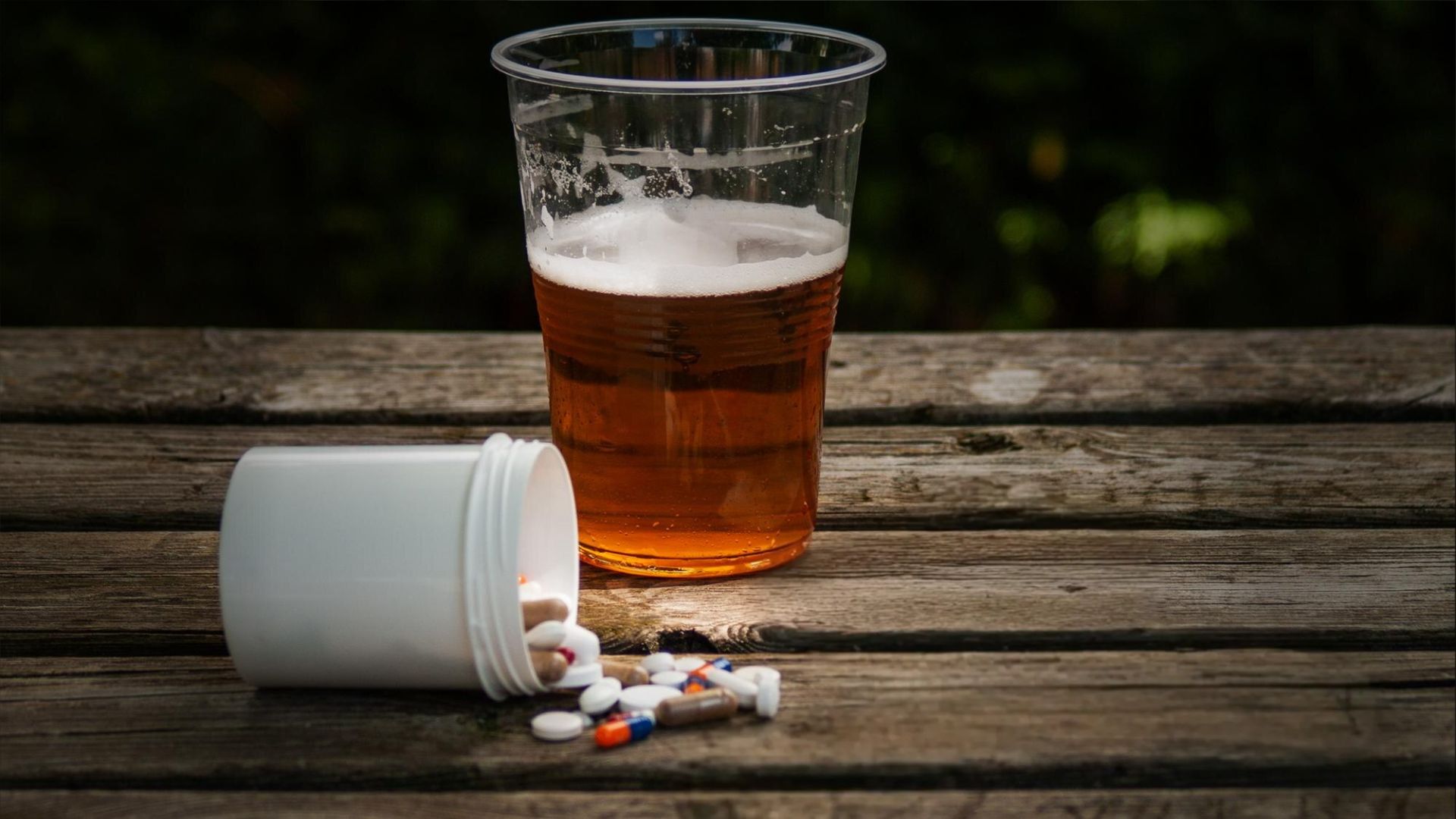
Both Ativan and alcohol are central nervous system depressants. On their own, each one slows brain activity, breathing, and reaction time. Taken together, their effects stack up and can even multiply, so the combined impact is greater than adding the two separately [1]. This is because alcohol and benzodiazepines act on overlapping brain systems that control vital functions like breathing.
The result is deeper sedation, slower breathing, and a much higher chance of overdose, blackout, or accident. The FDA prescribing information for lorazepam warns that an overdose of benzodiazepines combined with other central nervous system depressants, including alcohol, may be fatal [2]. Alcohol is also just one of many substances that interact dangerously with this medication, as we cover in what drugs you should avoid taking with Ativan.
Effects of Combining Ativan and Alcohol
When Ativan and alcohol are used together, the effects are intensified and unpredictable. Common effects include:
- Extreme drowsiness and sedation
- Slowed or shallow breathing
- Confusion and impaired thinking
- Poor coordination and a high risk of falls or accidents
- Slurred speech
- Memory blackouts, or an inability to form new memories while intoxicated
- Slowed heart rate and dangerously low blood pressure
Because these effects can escalate quickly, a person may lose consciousness before they realize how impaired they are. The table below shows how the two substances compare alone and in combination.
| Effect | Alcohol Alone | Ativan Alone | Combined |
| Sedation | Moderate | Moderate | Severe, hard to stay awake |
| Breathing | Mildly slowed | Minimal at normal doses | Dangerously suppressed |
| Coordination | Impaired | Impaired | Severely impaired |
| Overdose risk | Present at high doses | Present at high doses | Sharply increased, even at lower doses |
Warning Signs of an Overdose

An overdose from mixing Ativan and alcohol is a medical emergency. Call 911 immediately if you notice any of these signs in yourself or someone else:
- Breathing that is very slow, shallow, or has stopped
- Skin, lips, or fingertips turning blue or gray
- Unresponsiveness or inability to wake the person
- Severe confusion or extreme drowsiness
- A weak or very slow heartbeat
Fast medical care saves lives, so it is always better to call for help than to wait and see.
How Dangerous Is the Combination?
The danger is serious and well documented. FDA labeling for benzodiazepines warns that fatalities have occurred in people who combined a single benzodiazepine with alcohol, sometimes at blood alcohol levels lower than those usually associated with alcohol-related death[3]. Alcohol is one of the most frequent substances involved in benzodiazepine overdose deaths. There is no amount of alcohol that is considered safe while taking Ativan, because even a modest drink can tip the balance toward oversedation and respiratory failure.
Short-Term and Long-Term Risks
In the short term, mixing the two raises the risk of accidents, injuries, and overdose. Over the longer term, using Ativan and alcohol together can accelerate tolerance and dependence on both substances, deepen anxiety and depression, and impair memory and cognition. People who regularly combine them may also struggle to tell whether their symptoms come from the medication, the alcohol, or an underlying condition, which makes treatment more complicated. More detail on this sits in our in depth benzodiazepine addiction guide.
If drinking has become a problem in its own right, our complete guide to alcohol addiction covers the signs, stages, and treatment options.
Why People Mix Ativan and Alcohol, and When to Get Help
Some people combine the two without realizing the danger, perhaps having a drink while on a prescription. Others use them together intentionally to intensify relaxation or sedation, which is a pattern that can signal a developing substance use problem. Signs that use has become unhealthy include needing more to feel the same effect, hiding use, or feeling unable to stop, which we describe in the warning signs of Ativan addiction.
If you think you may be dependent on Ativan, alcohol, or both, do not try to quit cold turkey. Withdrawal from either substance can be dangerous, and combined dependence needs medical oversight, as described in our guide to Ativan withdrawal symptoms during detox. A supervised program can taper you safely and, when appropriate, explore non-drug options such as therapy or a natural substitute for Ativan.
Can You Mix Ativan and Alcohol? Frequently Asked Questions
Can I have just one drink while taking Ativan?
There is no confirmed safe amount of alcohol while taking Ativan. Even a single drink can add to the medication’s sedating effects and increase the risk of drowsiness, impaired breathing, and accidents. Because responses vary widely, the safest choice is to avoid alcohol entirely while on Ativan.
How long after taking Ativan can I drink alcohol?
Ativan can stay active in the body for a day or longer, and its effects may linger even after you feel normal. You should not drink until the medication has fully cleared, which varies by person and dose. Always ask your prescriber for guidance specific to your situation.
What should I do if someone passes out after mixing Ativan and alcohol?
Call 911 right away. Try to keep the person awake and on their side to protect their airway, and do not leave them alone. Watch their breathing closely. This combination can suppress breathing to a fatal level, so immediate medical help is essential.
Sources
- National Institute on Alcohol Abuse and Alcoholism (NIAAA), “Alcohol-Medication Interactions: Potentially Dangerous Mixes.” https://www.niaaa.nih.gov/health-professionals-communities/core-resource-on-alcohol/alcohol-medication-interactions-potentially-dangerous-mixes
- U.S. Food and Drug Administration (FDA), “Ativan (lorazepam) Tablets Prescribing Information.” https://www.accessdata.fda.gov/drugsatfda_docs/label/2021/017794s048lbl.pdf
- Center for Drug Evaluation and Research (no date) FDA expands boxed warning to improve safe use of benzodiazepine drug, U.S. Food and Drug Administration. https://www.fda.gov/drugs/drug-safety-and-availability/fda-requiring-boxed-warning-updated-improve-safe-use-benzodiazepine-drug-class