Cold therapy has moved from the athlete’s training room into the wellness world, and many people in recovery and addiction treatment now ask how it might fit into their healing. The honest answer is that cold therapy is a personal wellness or exercise-recovery activity, not a treatment for addiction. Its best-supported benefit is short-term pain relief. There is currently no clinical evidence that cold therapy improves any addiction-specific outcome; it has not been shown to reduce cravings, improve abstinence, prevent recurrence, ease withdrawal, or improve treatment retention. Some people personally enjoy it for workout recovery, routine, or a brief sense of well-being, but it should sit alongside, never in place of, evidence-based addiction care.
This guide explains what cold therapy is, what the research actually supports, and how to use it safely. It pays particular attention to cold-water immersion and whole-body cryotherapy, which carry serious risks that a wrapped ice pack does not. This is education, not medical advice. For more, our addiction therapy resource hub gathers related guides in one place. Our round-the-clock inpatient care combines clinical care with a full daily schedule.
One distinction up front: “cold therapy” is an umbrella term covering very different interventions. A wrapped ice pack on a sprained ankle is not the same thing as a cold plunge, and neither is the same as a whole-body cryotherapy chamber. These methods differ in temperature, exposure area, intended use, evidence, and safety risk, and this guide keeps them separate throughout.
What Is Cold Therapy?
Cold therapy refers to the use of cold temperatures to ease pain and, in some situations, reduce swelling. The term covers many forms, from a simple cold compress to whole-body cryotherapy. At home, most people reach for ice packs, gel packs, or a bag of frozen peas. Clinics may use cold-water immersion, coolant sprays, or cryotherapy sessions. Local cooling with ice is also one part of the R.I.C.E. approach (rest, ice, compression, elevation) that many people use for minor injuries.
Because a wrapped ice pack is so accessible, local cooling is among the most familiar home remedies for aches and swelling. But it is important not to assume that the evidence and safety guidance for a wrapped ice pack apply automatically to a cold plunge or a whole-body chamber. In fact, the U.S. Food and Drug Administration (FDA) specifically warns that whole-body cryotherapy is distinct from local cooling and that its claimed healing benefits remain unconfirmed.
| Cold therapy method | What it involves | Evidence-supported description |
|---|---|---|
| Cold compress or ice packs | Gel packs or frozen items wrapped in a thin towel | May provide short-term local pain relief after certain injuries or procedures |
| Ice massage | Ice cubes wrapped in cloth rubbed over a small area | Time-limited local pain relief; bare ice on skin can cause cold injury |
| Cold-water immersion | Ice baths and cold plunges | May modestly reduce perceived soreness after strenuous exercise |
| Whole-body cryotherapy | A few minutes of extremely cold air in a chamber | Marketed for wellness and recovery, but broad therapeutic benefits remain unconfirmed |
How Cold Therapy Works
When cold is applied to the skin, blood vessels near the surface tighten (vasoconstriction) and local tissue temperature drops, which reduces blood flow to the area while the cooling is applied. [1] Cooling also slows the speed at which sensory nerves conduct signals, which can raise the pain threshold and temporarily reduce how much pain you feel. [1] This is why an ice pack can feel sharp at first and then dull the ache in a sore area.
It is worth being precise about what this does and does not mean. Cold temporarily reduces pain-signal transmission and skin sensitivity; it does not make nerves unable to detect tissue damage, and excessive cooling can itself injure skin and nerves. Physiological plausibility also does not prove a treatment benefit: the fact that cooling reduces local blood flow does not, on its own, establish that ice meaningfully reduces inflammation or speeds healing in people. Human evidence for reduced inflammation and tissue damage is limited and mixed, and has been shown more clearly in animal models than in humans.
Numbness is a sign that sensation has been substantially reduced, not a goal to chase. Continuing to apply cold after the area has gone numb raises the risk of skin or nerve injury, so numbness is a signal to stop and let the skin rewarm, not a target.
What the Evidence Actually Supports
The clearest, best-supported benefit of local cold therapy is short-term pain relief. Cooling can slow sensory-nerve conduction and raise the pain threshold, which can make an acutely painful area more comfortable for a while.
Claims about swelling and inflammation are weaker and less consistent. Cold may reduce swelling in some situations, but evidence for clinically meaningful reductions in inflammation, tissue damage, or recovery time is inconsistent. A systematic review of postoperative swelling, for example, found no significant difference in most of the trials it examined. The claim that cold “limits tissue damage” in the first hours after injury remains a debated mechanistic idea rather than something demonstrated reliably in humans.
For post-surgical pain, cold therapy may modestly reduce pain or pain-medication use after certain operations, but the results are procedure-specific and inconsistent; reviews after total knee replacement, for instance, describe conflicting findings rather than a universal effect. Cold therapy should be treated as one part of a procedure-specific pain plan set by your surgical team, not as a general substitute for medication.
It is also not accurate to say that cold “lets strengthening exercises begin sooner.” Temporary pain relief may make prescribed movement more tolerable, but the evidence does not show that cold consistently accelerates rehabilitation. In fact, cold can temporarily reduce muscle performance and coordination, so exercise timing should follow a rehabilitation plan, and you should not begin strenuous activity while an area is still numb or while function is impaired by cooling.
Local cold packs are commonly used for short-term pain from things like:
- Minor sprains, strains, and bruises from daily activity
- Delayed-onset muscle soreness after training
- Post-surgical soreness, as part of a clinician’s pain plan
- Flare-ups where short-term pain relief makes prescribed movement more comfortable
Skills backed by stronger evidence, like those in our guide to mindfulness practices for addiction recovery, do far more for stress and cravings than cold exposure. If you enjoy cold exposure as a wellness routine, you can also explore structured options like those in our guide to the benefits of recreational therapy in addiction recovery, which pairs enjoyable activity with clinical support.
Cold-Water Immersion and Exercise Soreness
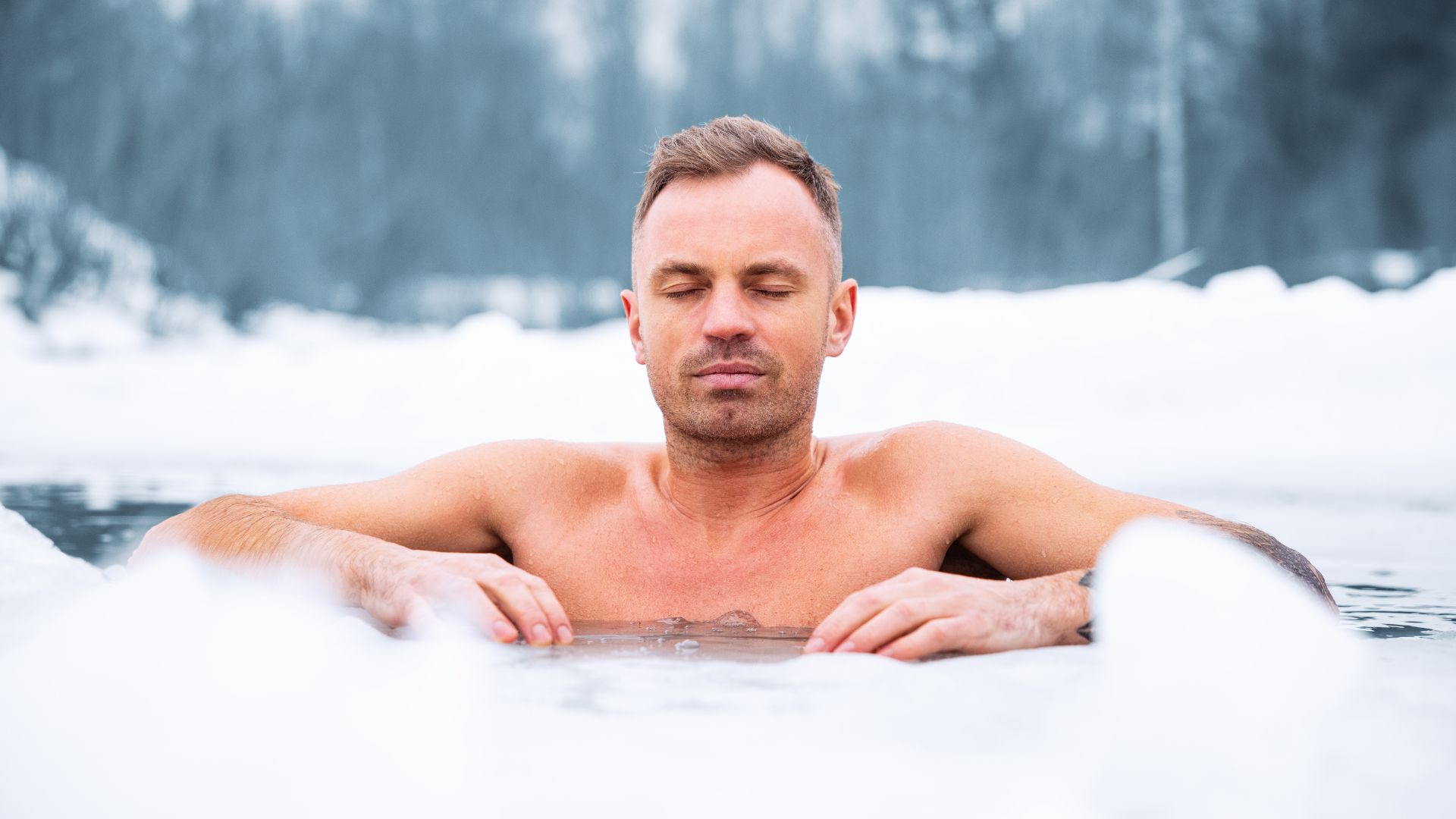
Cold-water immersion, cold plunges, and ice baths expose much of the body to cold water at once, and it has grown popular for exercise recovery. The most defensible claim is modest: systematic reviews suggest cold-water immersion can be slightly better than simply resting for reducing perceived muscle soreness after demanding exercise. [3] Protocols studied are typically around 11–15°C (roughly 52–59°F) for about 11–15 minutes. Importantly, this evidence concerns exercise recovery in healthy adults and athletes, not injury treatment, mental-health treatment, or addiction recovery.
A few caveats matter:
- There is no single “best” timing rule. Studies commonly begin immersion soon after exercise, but the popular “within about an hour” guideline is not universally optimal. Effects vary by exercise type, water temperature, exposure time, and body area.
- Routinely plunging right after resistance training may actually blunt some of the muscle-growth adaptations you are training for.
- Reports of better sleep, lower stress, or improved quality of life are preliminary and mixed. A 2025 systematic review pointed to possible short-term effects on sleep quality and quality of life, but it did not find a significant mood benefit, and it drew on few randomized studies with small, non-diverse samples of healthy adults.
Simple daily practices help in recovery, and our journaling prompts to support recovery offer a low-risk way to process cravings and stress. If you’re weighing talk-therapy options, our comparison of the differences between CBT and psychotherapy explains what each offers.
Ice Baths, Cold Plunges, and Temperature
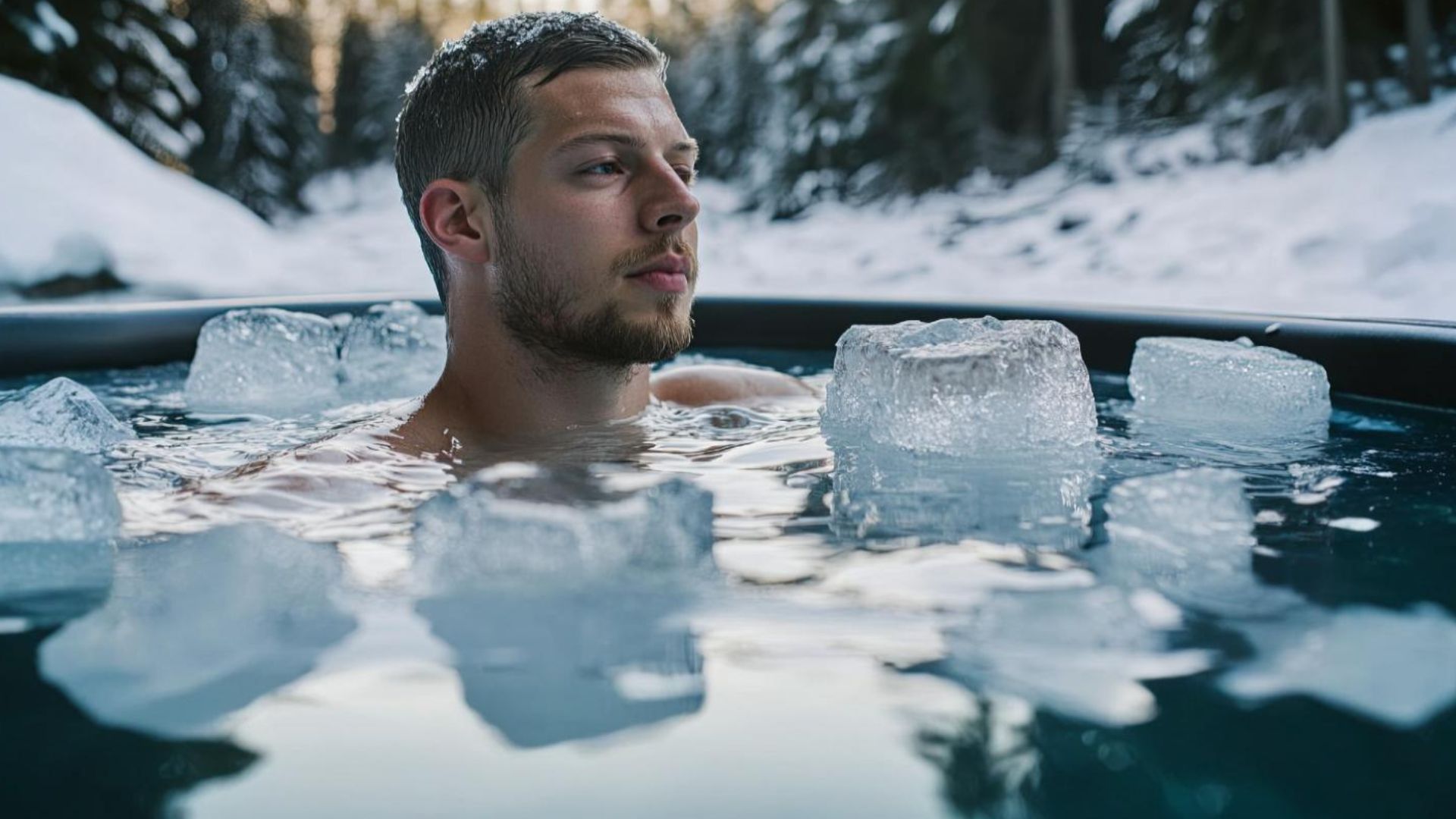
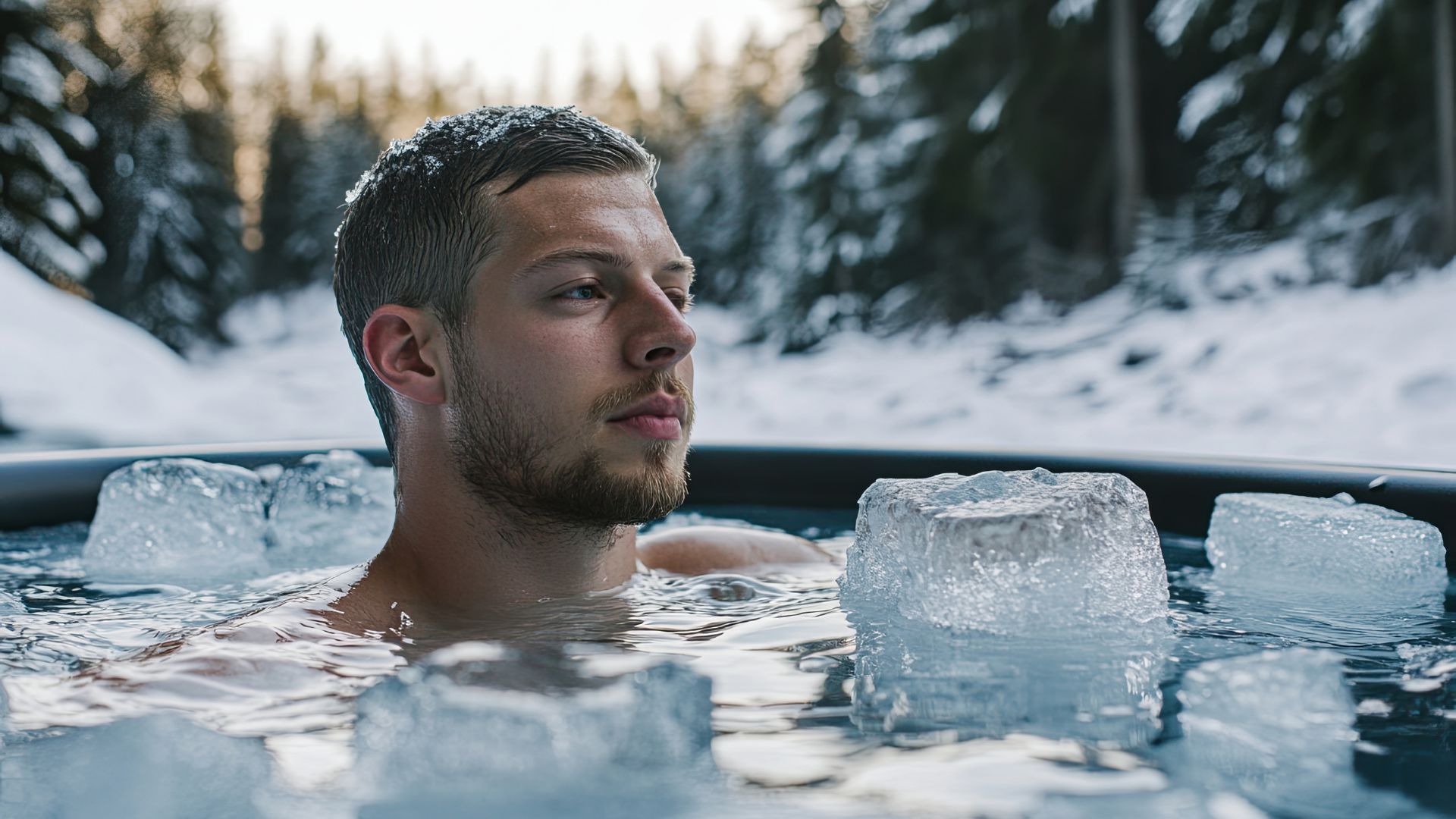
Ice-bath temperatures often fall around 10–16°C (roughly 50–60°F), which overlaps the range studied for exercise soreness. That overlap does not make this range free of serious risk. Sudden cold-water immersion can trigger involuntary gasping and hyperventilation, sharp increases in heart rate and blood pressure, arrhythmias, panic, impaired coordination, and drowning. There is no universal temperature that is safe for everyone, and temperature alone does not determine safety. (See the cold-water immersion safety section below.)
Whole-Body Cryotherapy
Whole-body cryotherapy chambers expose people to extremely cold air for a couple of minutes. Being brief and controlled does not, by itself, establish a therapeutic benefit. The FDA states that whole-body cryotherapy carries distinct risks and that its healing benefits remain unconfirmed. Reported risks include frostbite, burns, eye injury, and, in some nitrogen-based systems, oxygen deficiency. It should not be presented as equivalent to a wrapped local ice pack.
Cold Therapy and Addiction Recovery
So how does cold therapy fit into addiction recovery specifically? The most accurate answer is that it has not been established as a clinical treatment or recovery intervention for substance use disorders. Neither the general cold-therapy research nor current addiction-treatment guidance shows that cold therapy improves cravings, abstinence, treatment retention, withdrawal, overdose risk, or quality of life in people with substance use disorders. Most cold-water research involves healthy adults or athletes, not people in addiction treatment.
Some of the mechanisms people cite deserve careful framing:
- Dopamine and norepinephrine. A frequently cited experiment reported increased plasma norepinephrine and dopamine after participants spent an hour immersed to the neck in 14°C water, an intensive laboratory exposure, not a brief shower or plunge. Even so, changes in circulating catecholamines do not establish increased brain dopamine, an antidepressant effect, reduced craving, or improved recovery. [4] Other one-hour immersion studies found a large norepinephrine increase but no significant dopamine change, showing the results also vary.
- Emotional resilience. People may feel a sense of accomplishment after doing something difficult, but that subjective experience has not been shown to build clinically meaningful resilience or improve coping with substance-use triggers.
- Anxiety. Cold exposure is not an established treatment for anxiety. Some people report short-term alertness or improved well-being; others experience the opposite; cold shock can cause rapid breathing, panic-like sensations, and acute distress.
- Immune function. Evidence that cold-water immersion produces meaningful immune benefits is insufficient; there is no basis for describing it as an “immune-system boost.”
Evidence-based addiction care is what has been shown to help. Current SAMHSA guidance emphasizes medications when available, behavioral therapies, counseling, recovery supports, and continuing care. Understanding your own condition is part of that foundation, which is why our guide to how psychoeducation aids addiction recovery is a useful companion.
A person may choose local cooling for pain, or cold-water immersion as a personal wellness activity, but it should remain separate from, and never replace, evidence-based treatment. Broader support, from the stages of group therapy and psychoeducational groups to the stages of change and the four Cs of addiction, matters far more than any single wellness technique.
Heat Therapy Versus Cold Therapy
Cold and heat tend to do opposite things, and the right choice depends on the condition rather than a fixed rule. As a rough starting point, cold may help short-term pain after some recent injuries, while heat may ease certain kinds of stiffness or muscle tension. But this is a rule of thumb, not a diagnostic rule: the appropriate choice depends on the diagnosis, skin sensation, circulation, stage of healing, and individual preference. Some chronic painful conditions actually respond well to cold, and some acute problems need neither.
Heat can increase skin blood flow and may aggravate swelling in some recent injuries, which is why current self-care guidance often recommends avoiding heat during the first day or two after an acute sprain or strain. That does not mean heat worsens every new painful condition. Some people alternate heat and cold in a pattern called contrast therapy, which is used in some sports and rehabilitation settings; the evidence and protocols vary by condition, and it has no established role in addiction treatment. If you are unsure, a clinician can advise what fits your specific situation.
How to Apply Local Cold Therapy Safely
This guidance is for simple local cold packs, not whole-body immersion, which is covered separately below.
- Always place a thin towel or cloth barrier between the cold source and your skin. Never put ice directly on bare skin, which can cause frostbite.
- Generally limit each application to about 10–20 minutes, depending on the body area and device, and let the skin return to normal temperature before reapplying.
- Check the skin frequently. Stop for marked numbness, burning, worsening pain; white, blue, gray, or waxy skin; blistering; or an inability to rewarm.
- Gel packs, ice packs, or a wrapped bag of frozen peas all work when wrapped. Over-the-counter coolant sprays exist, but a simple wrapped pack is usually enough.
If you add compression to help support an injured area, it must not be tight enough to impair circulation or press on nerves. The FDA specifically advises against tightening circulating cold/compression wraps excessively. Follow instructions from a clinician or the product manufacturer, especially when combining compression with cooling.
One common myth to correct: cold is not reserved only for fresh injuries. It is often used for short-term pain after an acute injury, but some people with chronic pain also find cold helpful. Choose the method based on the condition, your response, and professional guidance rather than a blanket rule.
Cold-Water Immersion Safety
Cold plunges and ice baths deserve their own, more serious safety guidance, because the first seconds of immersion can trigger involuntary gasping and hyperventilation before you have time to notice any warning sign. This cold-shock response raises the risk of drowning and abnormal heart rhythms even in healthy people. “Just start with short, mild sessions” is not adequate protection on its own.
If you choose to cold-plunge:
- Never plunge alone. Have a sober observer present.
- Enter gradually, keep your head out of the water, and avoid breath-holding or deliberate hyperventilation exercises.
- Do not combine immersion with alcohol, sedating medication, intoxication, or active withdrawal.
- Exit immediately for chest pain, severe breathlessness, dizziness, confusion, weakness, palpitations, or loss of coordination.
- Watch for hypothermia and loss of motor control, and have a plan for warming up afterward.
If withdrawal is part of your situation, our complete guide to drug detox explains why supervised care needs to come first.
When to Avoid Cold Therapy
Cold-water immersion, in particular, rapidly increases breathing, heart rate, blood pressure, and cardiac workload, can provoke arrhythmias, and carries a drowning risk. Local cooling and full-body immersion carry very different levels of risk, but both call for caution in certain situations. Seek medical advice before cold-water immersion if you have any of the following:
- Cardiovascular disease, arrhythmias, or uncontrolled high blood pressure
- Poor circulation, Raynaud phenomenon, or cold hypersensitivity
- Impaired sensation or neuropathy
- Diabetes with sensory or circulatory complications
- Open wounds or damaged skin
- A seizure disorder
- Pregnancy
Never enter cold water while intoxicated, sedated, medically unstable, or experiencing withdrawal; impaired judgment and coordination sharply increase the danger. And stop any form of cold therapy that makes pain worse rather than better, or that produces skin that stays pale, blue, gray, or waxy; blistering; or ongoing numbness. When in doubt, ask a clinician whether cold therapy is a good fit for you. Knowing where someone sits in the stages of change also shapes what helps most, as our guide on the stages of change in motivational interviewing explains.
Cold Therapy Frequently Asked Questions
Can cold therapy treat addiction on its own?
No. Cold therapy has not been shown to treat addiction or to improve recovery outcomes such as cravings, abstinence, recurrence, or treatment retention. A person may use local cooling for pain, or cold-water immersion as a personal wellness activity, but it should not replace or be presented as part of evidence-based substance use treatment.
Are ice baths safe for everyone?
No. Ice baths and cold plunges are not risk-free even for healthy adults; cold shock can raise heart rate and blood pressure and trigger gasping and panic. Risk is higher with unsupervised or open-water immersion, intoxication, sedating medication, impaired mobility, or poor swimming ability. Get medical advice when relevant, and never plunge alone or while intoxicated, sedated, medically unstable, or in withdrawal.
What is the difference between cold therapy and heat therapy?
Cold often provides short-term relief after an acute injury, while heat may help some forms of stiffness or muscle tension. Neither is right for every condition; the choice should depend on the actual cause of the pain and your medical circumstances.
Getting Help
Local cold therapy may temporarily reduce pain, and cold-water immersion may modestly reduce perceived soreness after strenuous exercise. But cold therapy has not been shown to improve addiction recovery, mood disorders, anxiety disorders, cravings, or treatment outcomes. If it appeals to you as a personal wellness or exercise-recovery activity, use it safely and keep it separate from your actual treatment plan.
If you or someone you love is struggling with substance use, reaching out for professional, evidence-based addiction care is the strongest first step toward lasting recovery. You can also browse our full addiction therapy guide to see the counseling approaches, group formats, and evidence-based techniques that support real recovery. For example, our overview of what motivational interviewing is and how it works shows how one evidence-based approach helps people move toward change. If group work appeals to you, our overview of the different types of group therapy explains which formats tend to fit which needs.
Sources
- Malanga GA, Yan N, Stark J. Mechanisms and efficacy of heat and cold therapies for musculoskeletal injury. Postgraduate Medicine (PubMed): https://pubmed.ncbi.nlm.nih.gov/25526231/
- Algafly AA, George KP. The effect of cryotherapy on nerve conduction velocity, pain threshold and pain tolerance. British Journal of Sports Medicine (PubMed): https://pubmed.ncbi.nlm.nih.gov/17224445/
- Bleakley C, McDonough S, Gardner E, et al. Cold-water immersion (cryotherapy) for preventing and treating muscle soreness after exercise. Cochrane Review, 2012 (PubMed): https://pubmed.ncbi.nlm.nih.gov/22336838/
- Cold-water immersion and other forms of cryotherapy: physiological changes potentially affecting recovery from high-intensity exercise. 2013 review (NCBI/PMC): https://pmc.ncbi.nlm.nih.gov/articles/PMC3766664/