When regular marijuana use stops, your body will respond in turn. Cannabis withdrawal symptoms affect roughly 47% of users, creating both physical and psychological challenges that medical detox can help address. This article explores what withdrawal actually feels like, why medical support matters, and how structured cannabis treatment helps people move toward long-term recovery.
Quick Takeaways
- Cannabis withdrawal syndrome includes irritability, sleep disturbances, anxiety, decreased appetite, and mood swings that typically peak within the first week
- Heavy cannabis users and those who misuse multiple substances face more severe withdrawal symptoms requiring professional support
- Detox provides 24/7 monitoring, symptom management, and immediate transition into evidence-based treatment
- Withdrawal symptoms develop within 24-72 hours, and most symptoms resolve within 2-4 weeks, though sleep problems may persist longer
What is Cannabis Use Disorder?

Some might mistakenly believe that you cannot get addicted to marijuana, but clinically, marijuana addiction is pretty well established. The Diagnostic and Statistical Manual for Mental Disorders (DSM-5) recognizes cannabis use disorder as a condition that is characterized by specific criteria, such as experiencing withdrawal, cravings, and where use interferes with work, school, and relationships. Unlike occasional use, marijuana use disorder develops when someone continues using despite significant problems their addiction might be causing in their life. Mental disorders also often co-occur with substance use disorder, making professional assessment crucial.
About 3 in 10 marijuana users develop some level of use disorder, with rates climbing among those who started younger, daily users, and those who use more potent marijuana products like concentrates and high-THC edibles. Today’s cannabis is dramatically different from decades past. Modern strains contain THC levels reaching 15-30%, compared to 3-4% in the 1990s. This potency shift means withdrawal can feel more intense than many expect.
Is Marijuana Detox Dangerous?
Marijuana detox is generally not dangerous compared to alcohol, benzodiazepine, or opioid withdrawal. Most people experience mild symptoms like irritability, insomnia, decreased appetite, and anxiety that resolve within weeks. However, heavy, long-term users may face more intense discomfort. Medical supervision isn’t always strictly necessary, but it can help manage symptoms and provide support for those struggling with severe dependency.
Physical Symptoms: What Your Body Experiences
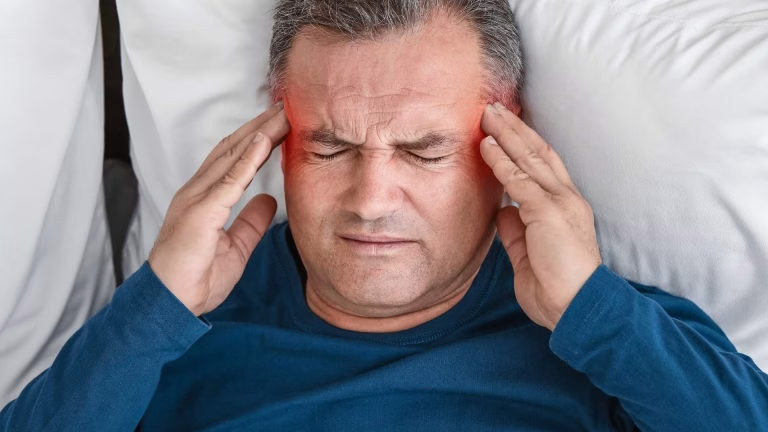
Common physical symptoms during marijuana withdrawal include:
- Headaches
- Sweating
- Chills
- Abdominal pain
Less common physical symptoms involve things like tremors and physical tension. Your body has to adjust to functioning without cannabinoids, which affects multiple systems simultaneously. The marijuana withdrawal timeline varies considerably between individuals, but early symptoms typically appear within 24-72 hours after the last use.
Will My Sleep Be Affected By Cannabis Withdrawal?
Sleep disturbances rank among the most challenging aspects. Many report difficulty falling asleep, staying asleep, or experiencing strange or disturbing dreams. Decreased appetite during withdrawal can contribute to short-term weight change in some individuals. These sleep issues typically begin within a few days of stopping and can last several weeks. Most people find that their sleep patterns gradually normalizeas withdrawal progresses and the body adjusts.
Possible Withdrawal Timeline
Cannabis withdrawal follows a predictable pattern, though intensity varies by individual. Understanding this timeline helps manage expectations during recovery. Most physical symptoms peak within the first week, while psychological effects may linger longer. Here’s what to expect:
| Timeframe | Phase | Common Symptoms / What to Expect |
|---|---|---|
| Days 1–3 | Symptoms develop | Irritability, anxiety, decreased appetite begin |
| Days 4–7 | Peak symptoms | Insomnia, mood swings, headaches intensify |
| Days 8–14 | Symptoms stabilize | Physical symptoms ease, psychological symptoms persist |
| Days 15–28 | Recovery phase | Most symptoms resolve, occasional cravings continue |
| Beyond 30 days | Continued adjustment | Body continues adjusting, sleep patterns normalize |
Psychological Symptoms and Mental Health

Psychological symptoms often prove harder to manage than physical health challenges. Anxiety disorders, depressed mood, irritability, and restlessness dominate your mental health landscape during withdrawal. People often describe feeling emotionally raw, easily frustrated, and mentally foggy.
For those with personality disorders or mood disorders, withdrawal can temporarily worsen existing symptoms. Post-traumatic stress disorder (PTSD) symptoms may also worsen as a result of cannabis use. This overlap between mental disorders and the withdrawal process explains why mental health professional support becomes essential for many people.
Why Detox Makes a Difference
Medically-assisted withdrawal at facilities offering on-site medical detox provides structured support that significantly reduces suffering. Medical care means 24/7 clinical monitoring, medication management for severe symptoms, and immediate access to mental health counseling.
The support system during detox addresses both physical and psychological needs simultaneously. When anxiety disorders spike or sleep problems become unbearable, trained staff intervene with evidence-based interventions rather than leaving people to struggle alone. Professional treatment can also identify co-occurring conditions. Many people who seek professional help discover they misuse multiple substances or have undiagnosed mental health conditions requiring integrated treatment.
Evidence-Based Treatment After Detox
The withdrawal process represents just the beginning. Motivational enhancement therapy, contingency management, and structured counseling address the underlying patterns driving marijuana addiction. Successful long-term recovery requires more than just getting through acute withdrawal.
Treatment for cannabis use disorder incorporates methods like:
- Behavioral practices like cognitive behavioral therapy
- Relapse prevention planning
- Aftercare support
Programs help people develop healthy habits, build a meaningful support system, and prevent relapse through practical skills training. The goal isn’t just to quit marijuana but to significantly impair addiction’s grip on someone’s life. For those with other substance use disorders or who use other substances alongside cannabis, a comprehensive assessment identifies all treatment needs. This personalized approach produces better outcomes than one-size-fits-all programs.
Frequently Asked Questions About Cannabis Withdrawal Symptoms
How long does it take to get clean if you smoke everyday?
For daily marijuana users, THC typically clears from urine within 30-45 days, though detection windows vary by body fat percentage and metabolism. Most withdrawal symptoms resolve within 2-4 weeks, but full neurological recovery continues for several months as the brain rebalances.
What day is the hardest quitting weed?
Days 4-7 might bring certain peak symptoms like severe insomnia, intense irritability, and strong cravings. This period challenges most people, but symptoms generally improve significantly after the first week, making professional support during these days particularly valuable for successful cessation.
Start Your Recovery Journey at Radix Recovery
Cannabis withdrawal symptoms are real, uncomfortable, and manageable with proper support. At Radix Recovery in Cedar Rapids, Iowa, medically supervised detox provides the safety and structure needed to begin recovery from the root. Our evidence-based treatment continues seamlessly from detox through residential rehab and outpatient care, addressing addiction at its source. Don’t face withdrawal alone. Contact Radix Recovery today to learn how our integrated continuum of care supports lasting change and helps you rebuild your life without cannabis dependence.