If you’re worried about a loved one or you’re checking yourself, learning how to tell if someone is on meth can be the first honest step toward change.
Methamphetamine is a highly addictive schedule II stimulant that can hijack your brain and daily life quickly. In this guide, we’ll show you what meth looks like in real life, how people act on meth, the physical signs that often show up, and how to respond without making things worse. You will see what short-term and long-term effects look like in the body and mind, what “meth mouth” really means, and how meth addiction treatment works when you are ready. We will also point you to evidence-based resources and stats you can trust. By the end, you will know the common signs of meth use and what to do next for yourself or your loved ones.
Quick Takeaways
- Learning how to tell if someone is on meth starts with a combination of noticing physical signs, behavior changes, and drug paraphernalia
- Meth mouth is a distinctive dental pattern with rapid tooth decay and gum disease that dental teams recognize early.
- Chest pain, confusion, and high body temperature from stimulant use are signs that you require urgent help.
- Withdrawal brings intense cravings and low mood, which is when relapse risk spikes.
- Integrated care that treats mental health and methamphetamine addiction together improves the odds of successful recovery for those who have co-occurring disorders.
What Meth Is and Why It’s So Hard to Quit
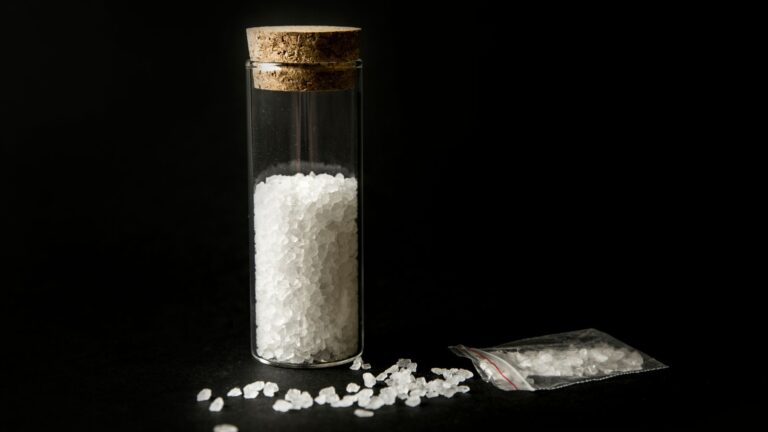
Methamphetamine is a lab-made stimulant that spikes dopamine and energy, which is why someone on meth can look laser-focused and wired one hour and completely drained the next. Powdered form meth appears white and is snorted, swallowed, smoked, or injected. Short-term effects include intense euphoria, increased alertness, and decreased appetite. Long-term effects can include anxiety, paranoia, insomnia, memory problems, and changes in brain structure that make stopping harder over time.
Meth is hard to quit because of how addictive it is combined with the euphoric high it delivers. The same fast spike that feels like superpower focus also trains your brain to chase the same effect again and again. That is why higher doses and more frequent use creep in without you noticing. Organizations like the National Institute on Drug Abuse call meth highly addictive, and the Addiction Center named it as one of the five most addictive substances on Earth.
The Centers for Disease Control (CDC) reported that in 2024, around 50% of overdose deaths between January and June involved stimulants. While overdose deaths broadly fell across the board in 2024, they are still much higher than at the start of recent drug crises in the United States in the early 2010s.
What is Crystal Meth?
As its name suggests, crystal meth is a crystalized and higher-purity version of methamphetamine, often appearing as glass-like shards. In this form, it still retains its status as a highly addictive stimulant while increasing the dangers of substance abuse because of its higher potency. Typical street names for crystal meth you might encounter include:
- Ice
- Glass
- Crank
- Chalk
- Speed
How to Tell if Someone is on Meth: Physical Signs
Methamphetamine abuse has some tell-tale signs that make it stand out compared to other often abused drugs. Common physical meth addict signs include:
- dilated pupils
- rapid speech, sweating
- jaw clenching
- increased activity
People may skip meals for days, leading to significant weight loss and decreased appetite. Sleep patterns often flip, with long periods awake followed by a crash. You might also see skin sores from compulsive picking and scratching, which is a result of the sensation meth delivers to you, where it feels like bugs are crawling under your skin. Burn marks on fingers or lips can come from hot smoking pipes, and track marks on the skin may show with injection use.
Physical Conditions Compared to Other Drugs
It helps to separate meth use symptoms from other drugs. For example, alcohol slurs speech and slows movement. Opioids often present instead with pinpoint pupils and sedation. Meth is often observed with wide pupils, fast talk, grinding teeth, and restlessness. Identifying symptoms can get tricky if multiple substances are involved with meth drug use, and the risk of severe effects increases if a use disorder is left untreated.
Behavioral Changes and Mental Health Red Flags

How do people act on meth? This drug supercharges the central nervous system, which can look like high confidence, nonstop talking, risky decisions, and staying up for 24 to 72 hours. Someone on meth may have symptoms that mimic attention-deficit hyperactivity disorder (ADHD), and research shows that undiagnosed ADHD and meth use often correlate. As tolerance builds, many users report mood swings, increased irritability, violent behavior, and paranoia. Psychosis can appear with prolonged meth use, including hallucinations or delusions.
Coming down is also a rough time for this highly addictive drug. The crash can bring depression, anxiety, and extreme fatigue. Meth binges followed by a crash and days of sleep can confuse families who only see the highs or the lows.
Suppose someone you love is suddenly hype productive at night yet missing daytime obligations, isolating from friends, and guarding their phone. In that case, it may be less about motivation and more about meth’s cycle of intense euphoria and crash. Try tracking specific behaviors over a week to see patterns rather than judging a single day.
Health Consequences: Meth Mouth and Other Dental Issues
The American Dental Association recognizes a distinct pattern of severe tooth decay, gum disease, and tooth loss in people who use meth, commonly referred to as meth mouth. Dry mouth, teeth grinding, acidic drinks, and poor sleep combine to quickly destroy enamel. Dental teams can often spot methamphetamine use based on the rapid development of cavities at the gum line and between teeth.
One study published in 2018 linked methamphetamine use with high levels of dental caries (chronic infectious disease) and periodontitis. If you or a loved one is still using, ask your dentist for high-fluoride paste, saliva substitutes, and more frequent cleanings while you work on recovery. That reduces pain and tooth loss while you build a treatment plan.
Meth Mouth becomes a vicious cycle, as mouth pain often drives more use to numb the discomfort and creates a psychological dependence of feeling better. If you handle the dental pain now with professional help, it can remove a common trigger and make treatment outcomes better in the long run.
Paraphernalia, Environments, and Patterns of Use
Sometimes, how you can tell if someone is on meth often comes down to noticing what is around the person. Look for small glass pipes, burnt foil, hollowed ink pens, or light bulbs with burn marks. Small baggies with crystals or white powder, cut straws, and bent spoons are also standard. Some people use soda can bottoms with small holes for smoking. Patterns that point to methamphetamine use include:
- staying up multiple nights
- cleaning or organizing obsessively at odd hours
- rapid development of financial problems
- disappearing for days.
With higher doses, people may become more irritable or paranoid. You might notice hidden stash spots in air vents, behind outlet covers, or taped under drawers. If you share a home, check bathrooms and cars for residues or the vinegar chemical smell that sometimes lingers.
However, it’s important to remember that paraphernalia alone does not prove current use. Some people keep old gear after quitting. Be sure to combine multiple types of warning signs together to build a solid case for an intervention, leaving no room for doubt and making the process more about recovery than accusations.
Withdrawal Symptoms and What “Coming Down” Looks Like
When use slows or stops, withdrawal symptoms can include intense cravings, sleep changes, depression, agitation, and increased appetite. Meth produces a fast high and an equally fast crash, followed by days of low mood and exhaustion. One risk during withdrawal is that it will result in an unprepared relapse, self-harm, or mixing with other substances to feel normal.
Unfortunately, there are no FDA-approved medications that directly cure methamphetamine addiction, making the best course of treatment a medically and clinically supervised program like we offer at Radix Recovery. Structured support can lower cravings and help you get through the early weeks while you safely manage withdrawal symptoms.
Co-Occurring Disorders and Dual Diagnosis
Many people who use meth also live with depression, anxiety, PTSD, ADHD, or other mental disorders. Treating meth alone without addressing mental health often fails because the underlying driver for turning to substance abuse has not been dealt with. That is where integrated care matters. Combined treatment for methamphetamine use disorder and mental health disorders increases the odds of successful recovery.
If you recognize continued anxiety or mood symptoms after a week or two of sobriety, ask for a dual diagnosis assessment with a healthcare provider or a treatment program. If you use meth to focus or calm down, talk to a clinician about ADHD or trauma treatment that does not involve stimulants. There are non-stimulant alternatives that may help you function without relapse risk.
When It’s an Emergency
Call for urgent help if someone on meth has chest pain, trouble breathing, severe headache, confusion, seizures, high fever, or they stop responding. Meth use can trigger dangerous heart rhythm changes, severe hypertension, and strokes in young people. In recent years, psychostimulants like meth were the primary drivers of overdose death rates.
What to do now:
- Call 911
- Stay with the person and keep them cool if overheated
- Avoid physical confrontation
- If they may have combined meth with opioids and you suspect overdose, use naloxone for opioid overdose while you wait for help
How To Talk to a Loved One and Start Meth Addiction Treatment
Approach the topic with honest, straightforward care when your loved one is in a state best suited to communication. Share specific behaviors and physical indicators you have noticed and how they affected you. Ask if they are open to help.
The Substance Abuse and Mental Health Services Administration (SAMHSA) recommends contingency management, cognitive behavioral therapy, and a community reinforcement approach as core tools for treating stimulant use disorders. Contingency management rewards recovery behaviors and shows strong results for stimulant use disorders.
Levels of care range from outpatient therapy to intensive outpatient, partial hospitalization, and residential treatment. At Radix Recovery, we offer a broad range of care options after determining the level that best supports safety, mental health, and stability.
Don’t be discouraged if your conversation doesn’t go well. Sometimes the first “yes” is not to rehab. It might be a dental appointment to ease pain or a sleep plan to get through a crash. Stack small wins that make saying yes to treatment easier next week.
Signs of Meth Use FAQs
What are the fastest physical signs of meth use?
The fastest physical signs of meth use include dilated pupils, rapid breathing, increased heart rate, and a sudden burst of energy or hyperactivity. Users may also show twitching, sweating, jaw clenching, or talkativeness. Within hours, methamphetamine can cause anxiety, loss of appetite, and muscle tension, followed by an intense crash once the drug wears off.
How do people act on meth compared with cocaine?
People high on meth often stay awake for days, talk rapidly, and may act paranoid or aggressive. Their movements can be jerky, and their focus intense or obsessive. Cocaine users, in contrast, tend to have a shorter, more energetic high with confidence and euphoria but crash quickly. Methamphetamine effects last much longer and can cause severe behavioral changes.
What is meth mouth, and can it be reversed?
Meth mouth is defined by severe dental problems like tooth decay, gum disease, and mouth sores caused by methamphetamine use. Dry mouth, teeth grinding, and poor hygiene make it worse. While damage can’t be fully reversed, quitting meth, practicing good oral care, and getting dental treatment can stop it from progressing and help restore some oral health and appearance.
How to tell if someone is high on meth?
You can tell if someone is high on meth by sudden bursts of energy, rapid talking, and intense focus or agitation. They may have dilated pupils, twitching muscles, sweating, and little need for sleep or food. Methamphetamine use often causes paranoia, erratic movements, and skin picking, followed by a dramatic crash or deep exhaustion once the high fades.
Why Telling if Someone Is on Meth Is Important
Knowing how to tell if someone is on meth can cut through confusion and denial and get you or your loved one started on the path toward treatment. You are looking for combinations of physical signs, like dilated pupils and weight loss, behavioral changes, like mood swings and risky decisions, and concrete clues, like paraphernalia and binge-crashing sleep schedules.
If you see these patterns together, it is time to act. Early intervention is correlated with better treatment outcomes. Plan for withdrawal support, line up treatment options, and consider a dual diagnosis assessment if mental health symptoms persist. Evidence-based approaches like contingency management and cognitive behavioral therapy work, and support groups help thousands of people stabilize every year. If you are the one struggling, this is your sign to ask for help and restore your well-being. Reach out to our admissions team at Radix Recovery to get the help you or a loved one needs. You do not have to keep living like this, and recovery can start with one honest conversation today.