Quitting alcohol “cold turkey” refers to suddenly stopping all drinking without tapering down or getting medical support. While it might seem like a fast way to take control, abrupt cessation can trigger severe withdrawal symptoms, and in some cases, it can be life-threatening. Alcoholism changes how the brain and body function, so stopping suddenly can create dangerous imbalances. Understanding these risks is key to protecting your health and planning a safe path to sobriety.
This article explains what happens when you quit alcohol cold turkey, the potential complications, and safer ways to stop drinking.

What Happens When You Quit Cold Turkey?
Alcohol impacts the brain by boosting gamma-aminobutyric acid (GABA), which produces calming effects, and suppressing glutamate, which is responsible for excitatory signals. With long-term drinking, the brain compensates by reducing natural GABA activity and increasing glutamate production to maintain balance. When usage stops abruptly, this balance is suddenly disrupted, causing the brain to become overactive. This surge in excitatory activity is what triggers alcohol withdrawal syndrome (AWS).
The intensity of withdrawal symptoms varies widely, as factors such as the duration and amount of the substance used, the individual’s age, general health, and history of previous attempts to stop drinking determine whether symptoms will be mild, like anxiety and tremors, or severe, including seizures and delirium tremens (DTs), a life-threatening emergency that usually develops 48 to 72 hours after the last drink, which require urgent medical care.
For those who need structured support after detox, enrolling in an alcohol rehab center can provide therapy, accountability, and relapse prevention tools to sustain recovery.
Common Withdrawal Symptoms
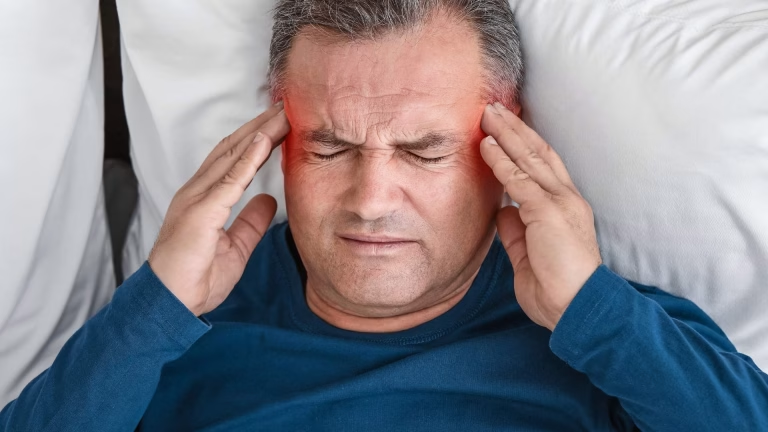
Mild to moderate withdrawal typically begins within 6 to 24 hours after the last drink. Early symptoms often include sweating, shaking or tremors, and heightened anxiety or irritability. Many people experience nausea, vomiting, headaches, and a rapid heart rate accompanied by elevated blood pressure.
Sleep disturbances and fatigue are also common, making recovery more physically draining. In some cases, people may experience sensory disturbances such as hallucinations, and severe cases can progress to seizures if left untreated.
The Danger of Delirium Tremens
In the most serious cases, alcohol withdrawal can progress to DTs, characterized by severe confusion, disorientation, agitation, fever, a dangerously rapid heartbeat, and seizures.
Without immediate medical intervention, these symptoms can result in heart complications, organ failure, or even death. Those at greatest risk include individuals with a long history of heavy drinking, prior experiences of seizures, serious co-occurring conditions, or multiple previous detox attempts, making medical supervision essential for anyone at risk.
Factors That Affect Withdrawal Severity
- Duration and quantity of drinking – Heavier, long-term use increases risk
- Co-occurring health conditions – Liver disease, heart problems, or mental health disorders may complicate detox
- Age and physical health – Older adults and those with poor nutrition are more vulnerable
- Past withdrawal experiences – Prior severe incidents raise the risk of complications
Why Medical Supervision Is Essential
Undergoing detox in a medically supervised setting provides the safest way to quit drinking. Healthcare providers can prescribe medications such as benzodiazepines to reduce anxiety, prevent seizures, and keep vital signs stable. Continuous monitoring ensures that if dangerous complications like delirium tremens arise, immediate treatment is available, significantly lowering the risk of life-threatening outcomes.

Risks of Going Cold Turkey Without Help
Detoxing on your own can be extremely dangerous. Without medical oversight, the risk of severe symptoms such as seizures, hallucinations, and delirium tremens increases dramatically. Many people attempting to quit alone relapse quickly, not out of lack of willpower, but to escape the intense physical and psychological discomfort of the process. In some cases, unsupervised withdrawal can be fatal.
Final Thoughts from Radix Recovery
Quitting alcohol cold turkey may seem like the fastest route to recovery, but it can be dangerous without professional guidance. Withdrawal can range from uncomfortable to life-threatening, making medical supervision the safest way to detox. Working with trained professionals not only reduces medical risks but also helps build a personalized recovery plan that supports long-term sobriety.
At Radix Recovery, we offer intensive outpatient and inpatient programs in Cedar Rapids to treat alcohol addiction, providing 24/7 clinical support, medication-assisted detox, and evidence-based therapy to address the root causes of substance use. Our team also provides relapse prevention planning, family education, and ongoing aftercare to ensure that recovery continues well beyond the initial detox process.