Blog Articles
Radix Recovery in Cedar Rapids, Iowa, provides comprehensive addiction and dual diagnosis treatment with detox, inpatient, and outpatient levels of care. We are building a community where all who want change are welcome with outpatient opening February 2025, and inpatient in June 2025.

Chronic morphine use fundamentally rewires your brain’s reward circuitry and opioid receptors. Your brain develops tolerance, requiring too much morphine to achieve the same pain relief or high, pushing you toward dangerous doses where opioid overdose can occur.

The way morphine works explains why it’s so effective, but this is also the same reason why morphine is addictive. It becomes too powerful for its own good. Your brain quickly learns to associate the drug with pleasure and pain relief, creating powerful memories that drive continued use.

Inpatient treatment for alcoholism provides 24-hour supervised care in a residential treatment center. Unlike outpatient treatment, you live at the facility, receiving round-the-clock care from medical professionals and addiction specialists.
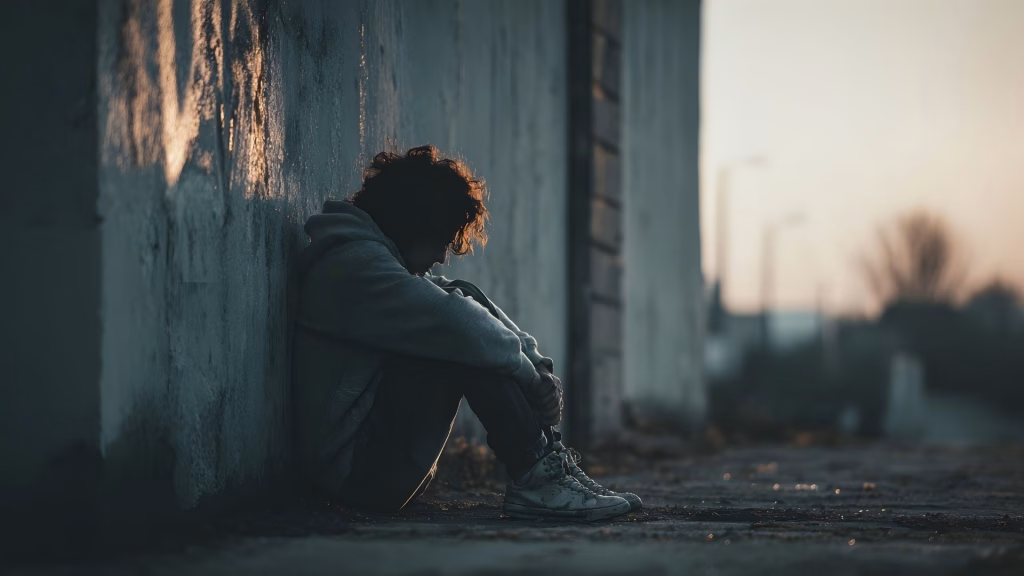
Opioid use disorder doesn’t just happen overnight. There are gradual signs that you or a loved one will experience that you can watch out for as OUD progresses.

Getting through opioid detox is a massive achievement, but the real work of recovery starts afterward. You might feel relieved that some of the pressing withdrawal symptoms have passed, yet also vulnerable and uncertain about what comes next.

The American Psychiatric Association definitively classifies addiction as a mental disorder in their Diagnostic and Statistical Manual (DSM-5), listing nine types of substance addictions

A proper detox treatment allows your system to recalibrate safely under medical supervision at a care facility. Without this crucial step, withdrawal symptoms can become overwhelming, driving you back to substance use within days.

Cannabis withdrawal presents real physical and psychological symptoms, though often dismissed by users. Peak symptoms occur 2-6 days after stopping, including intense cannabis cravings, mood swings, insomnia, decreased appetite, and restlessness.