Blog Articles

Radix Recovery in Cedar Rapids, Iowa, provides comprehensive addiction and dual diagnosis treatment with detox, inpatient, and outpatient levels of care. We are building a community where all who want change are welcome with outpatient opening February 2025, and inpatient in June 2025.


Addiction is influenced by genetics, environment, trauma, and mental health. Understanding these triggers helps explain why some people are more vulnerable and guides effective prevention and treatment strategies.
Adderall is a stimulant, not a depressant. Learn how it affects the brain, why it’s prescribed for ADHD and narcolepsy, and the risks of misuse, addiction, and mixing with alcohol.
Marijuana can sometimes trigger paranoia, a heightened sense of fear or suspicion. Learn why cannabis affects the brain this way, the risk factors involved, and how treatment can help individuals manage marijuana-related paranoia.
Xanax and Valium are both benzodiazepines used for anxiety, but differ in potency, duration, and clinical use. Learn which is stronger, their side effects, and safety considerations for proper treatment.
Yoga is a powerful tool in addiction recovery, helping reduce cravings, restore physical health, and build mental resilience. Learn how Radix Recovery integrates yoga therapy to strengthen long-term sobriety.
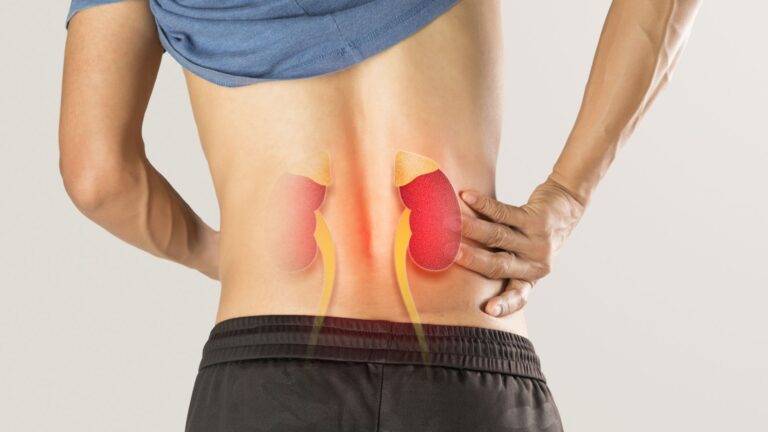
Heavy drinking can damage the kidneys, leading to fluid buildup, high blood pressure, and even kidney failure. Early detection and sobriety are key to prevention and recovery.
Cannabinoid Hyperemesis Syndrome (CHS) causes recurring nausea and vomiting in long-term cannabis users. Understanding its three stages is key to diagnosis and effective treatment.
Cannabinoid hyperemesis syndrome (CHS) causes severe nausea, vomiting, and abdominal pain from long-term marijuana use. This article explains its symptoms, causes, rarity, diagnosis, treatment, and prevention.
Research suggests heavy or long-term cannabis use, especially among older adults, may raise dementia risk. Learn about the science, risk factors, and treatment options for marijuana addiction
Ritalin, a common ADHD medication, improves focus but can also affect emotions. Learn about its impact on mood, common side effects, factors influencing emotional changes, and what to do if they occur.
Partial hospitalization programs (PHPs) offer intensive, structured addiction treatment during the day while allowing patients to return home each night for flexibility and recovery.
Adderall can help manage ADHD symptoms, but some users report emotional numbness. Learn how it affects mood, why it happens, and how to manage it with care and support.
Percocet is a prescription pain reliever with both benefits and risks. This article explores how long it stays in your system, how it’s metabolized, detected in drug tests, and the many factors that influence its duration in the body.
Motivational interviewing is a client-centered, evidence-based counseling method that helps individuals resolve ambivalence and strengthen motivation for change in addiction recovery.
Learn how insurance covers Partial Hospitalization Programs (PHP) for addiction treatment in Iowa. Understand options, legal protections, and how to verify your plan.
Choosing between PHP and residential addiction treatment? Learn the key differences in supervision, structure, cost, and suitability to help you decide which recovery path fits your needs best.
Group therapy unfolds in structured stages that build trust, encourage self-reflection, and support emotional healing. Learn how each phase—from forming to closure—promotes personal and collective growth.
Relapse is a difficult but often normal part of addiction recovery. Learn how to support a loved one after relapse with compassion, healthy boundaries, and professional help.